NPPF 2026
Step Forward or More Mess?
SHARE
Just when you thought you could relax over the summer,
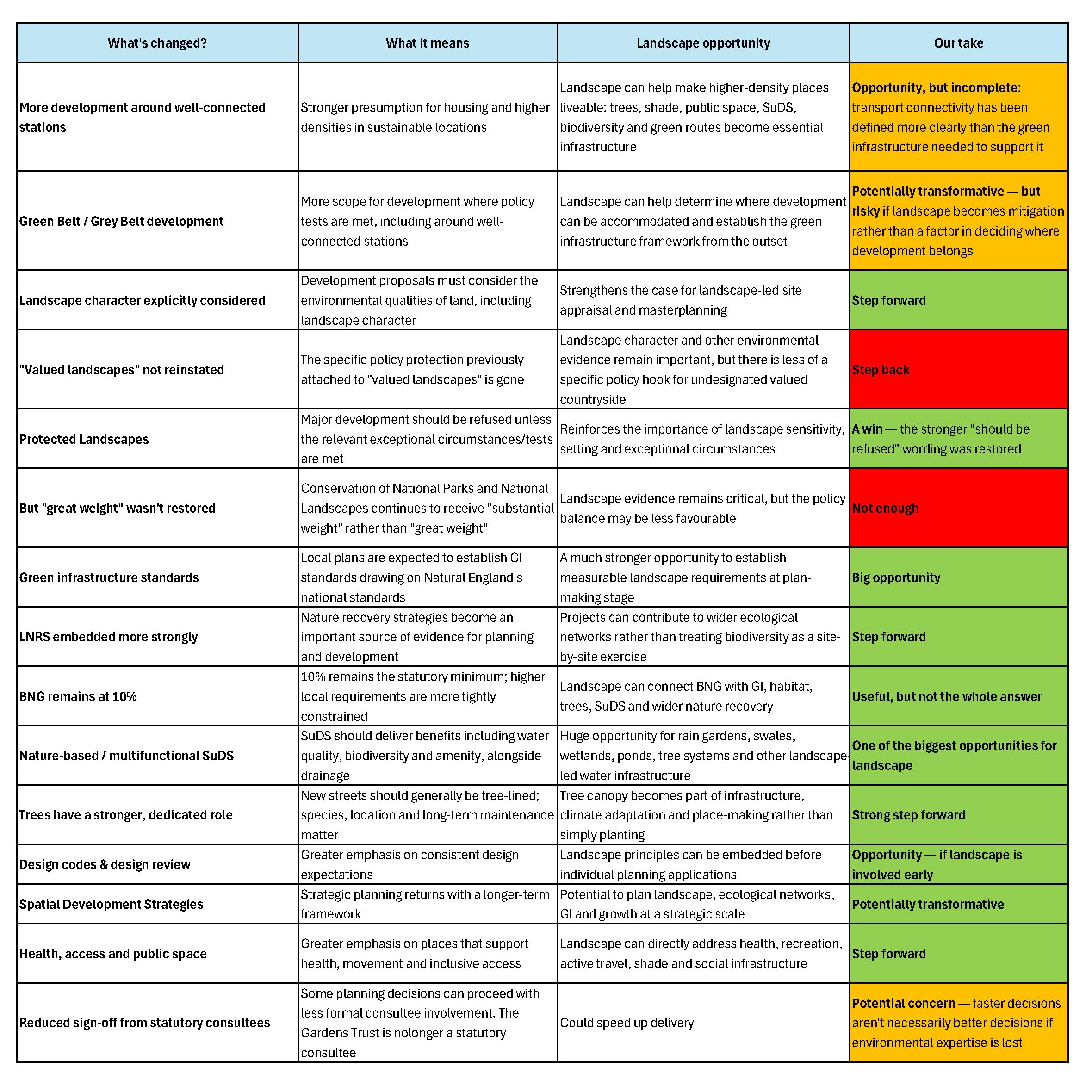
another Prime Minister, another NPPF to digest. What does England’s new
planning framework mean for landscape, nature and the places we build?
The government's stated objective is a "clear,
rules-based planning system", with housing delivery at its centre. No
surprises there. But can the new planning system use landscape to determine the
right form and location of growth, rather than simply using landscape to make
growth acceptable?
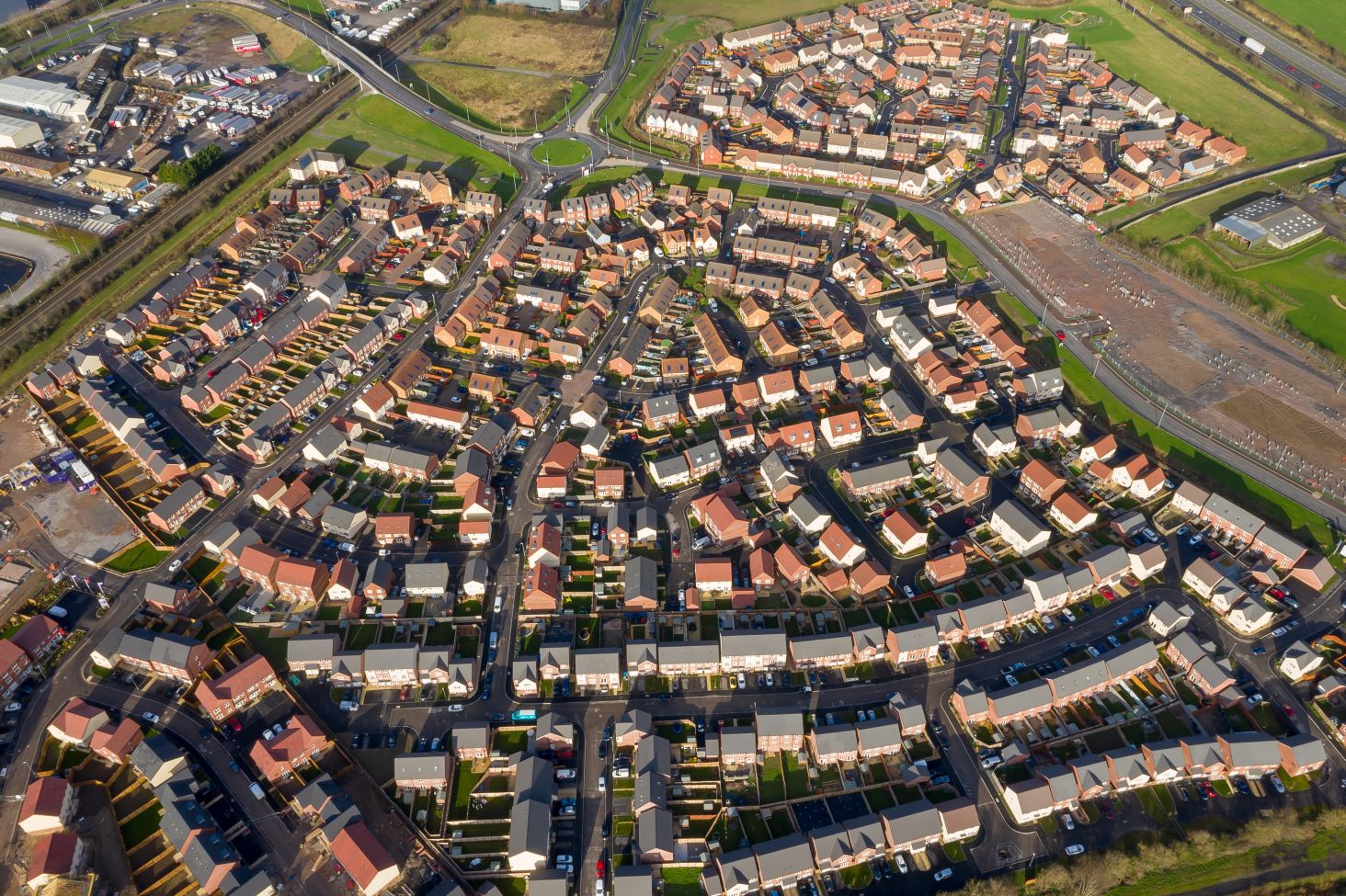
Image Credit: Wirestock
A new direction for growth
The new NPPF is good news for landscape architects in
several respects. The Framework increasingly treats landscape as something
that performs functions rather than something that makes development look nice. Landscape character, green infrastructure and nature-based solutions now sit
alongside environmental policy and design, with a stronger emphasis on amenity,
health and climate adaptation. The most important change for landscape
architects may not be a single new landscape policy, but the fact that
landscape is appearing across so many different parts of the planning system.
The reintroduction of Spatial Development Strategies,
with a 25-year minimum plan period, is potentially significant. At its
best, strategic planning creates an opportunity to consider the landscape
structure and ecological networks alongside growth and infrastructure from an
early stage, rather than treating each development site as an isolated red line.
The stronger alignment with Local Nature Recovery
Strategies (LNRS) is another positive, particularly because it moves the
conversation beyond achieving biodiversity gains within an individual red line
and towards contributing to wider ecological networks. The statutory 10% BNG
requirement remains the floor, rather than the ceiling, for biodiversity
delivery.
The dedicated tree policy is another welcome shift,
particularly the expectation that new streets should generally be tree-lined
and that long-term maintenance should be considered from the outset.
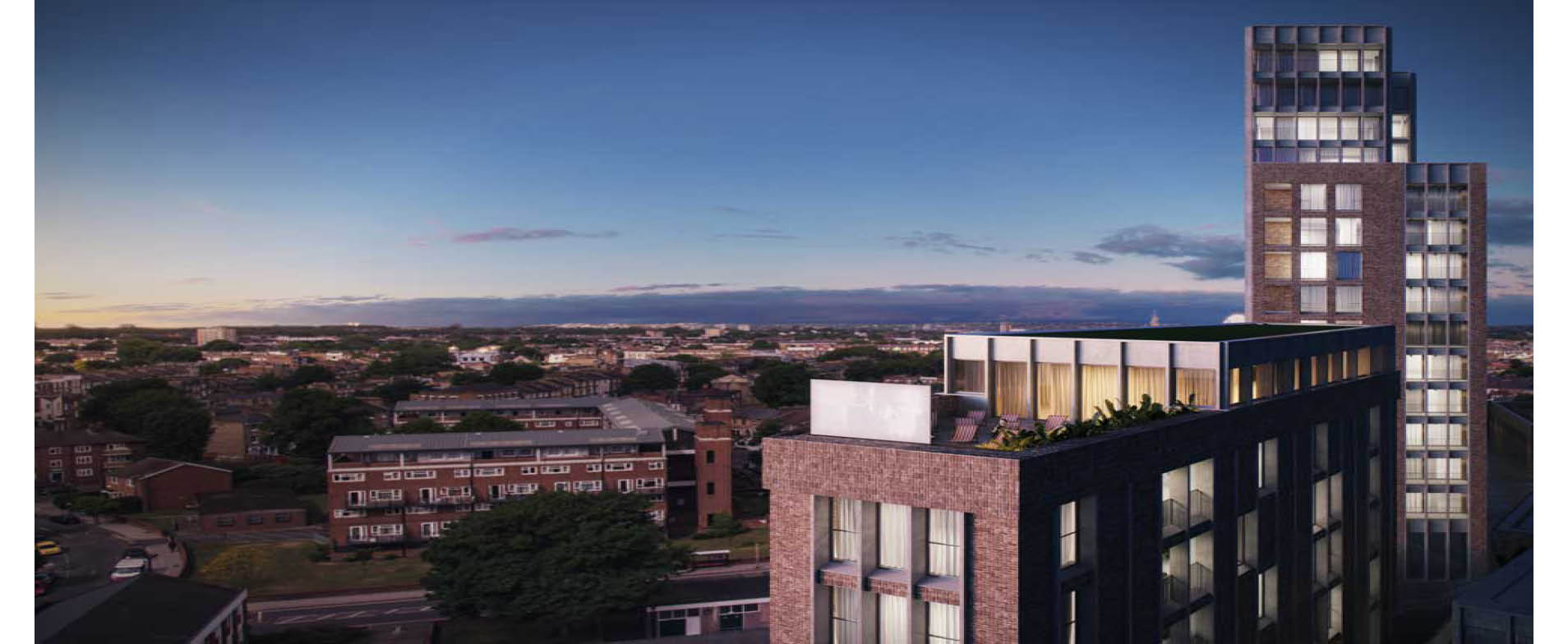
The government is also pushing for more development around ‘well-connected’
stations. If landscape is brought in early this could be a huge opportunity
for trees, green infrastructure, accessible open space, biodiversity, SuDS and
climate resilience. But there is a catch; whilst the government has been clear
about what constitutes a well-connected station, it has not matched this with
equivalent national requirements for the green infrastructure needed to support
higher-density development.
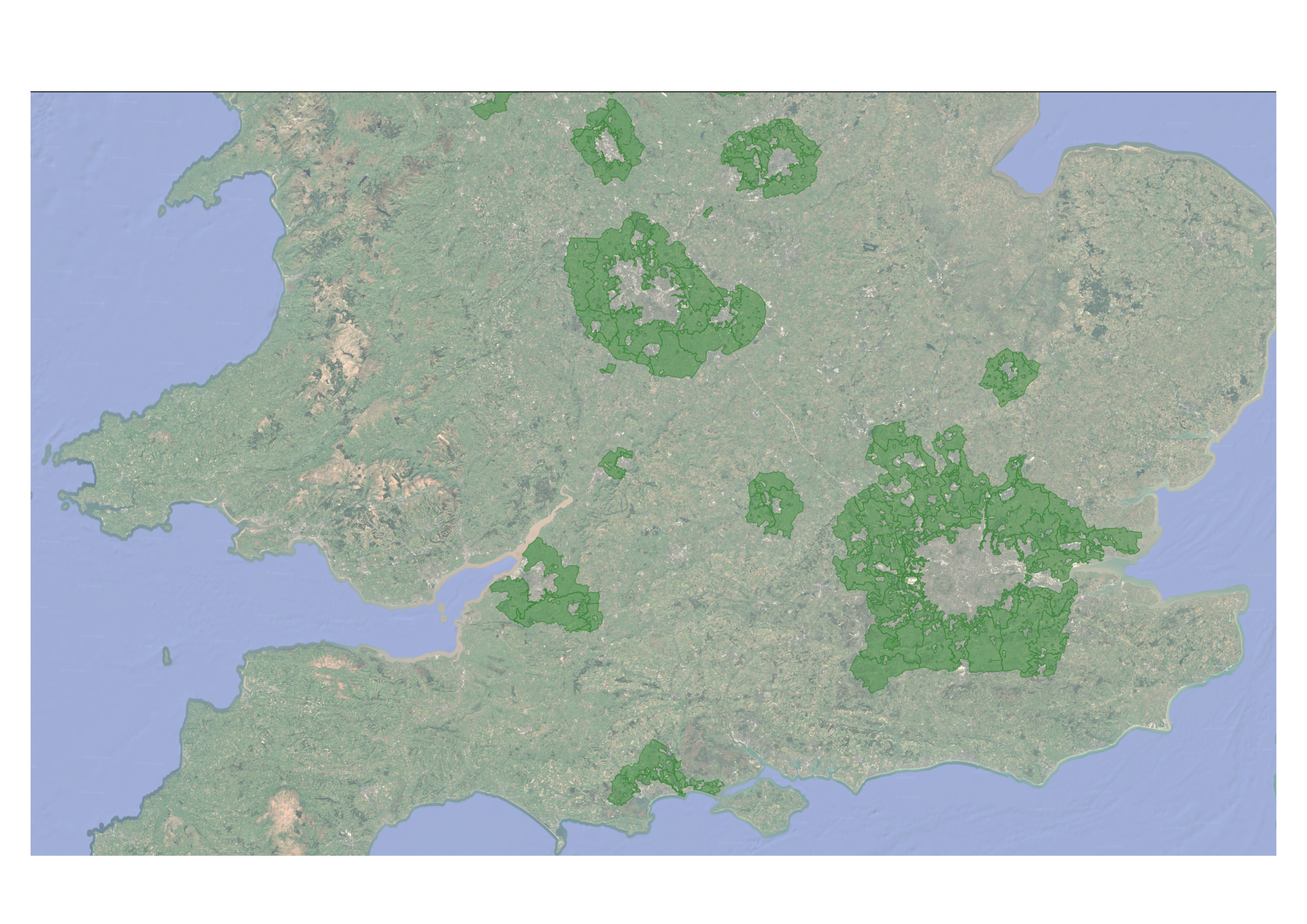
The Grey Belt and Golden Rules remain central
to the Green Belt reforms. For major housing development in the Green
Belt, the Golden Rules include the provision of new or improved publicly
accessible green space. This space should contribute positively to the
landscape setting of development, support nature recovery and meet relevant
local or national standards.
The new approach is much more comfortable talking about green
infrastructure as multifunctional infrastructure and that must be a good
thing.
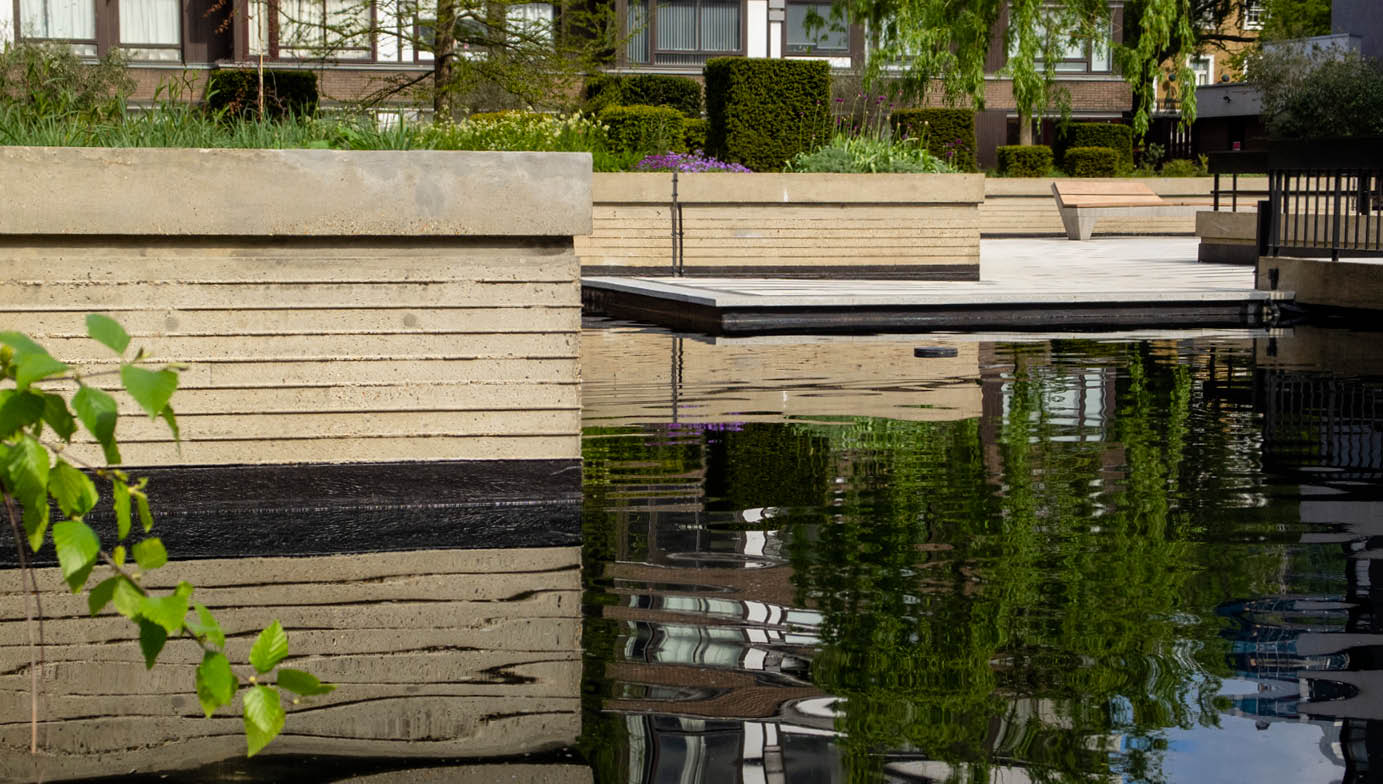
Water as Landscape: the opportunity for nature-based SuDS
One of the most positive aspects of the revised NPPF is its
recognition that sustainable drainage should do more than simply move water
safely away from development.
The new Framework requires SuDS to be designed in accordance
with the National Standards for Sustainable Drainage Systems while
emphasising their potential to deliver multiple benefits, including water
quality, biodiversity and amenity. It also places greater emphasis on
arrangements for their long-term maintenance.
For landscape architects, this creates an important
opportunity to move away from treating drainage as a piece of engineering
infrastructure that is added to a scheme once the development has been
designed. If the government is serious about climate-resilient development,
SuDS should not be regarded simply as a drainage requirement. They should be
considered part of the site's green infrastructure from the earliest stages of
planning and design.
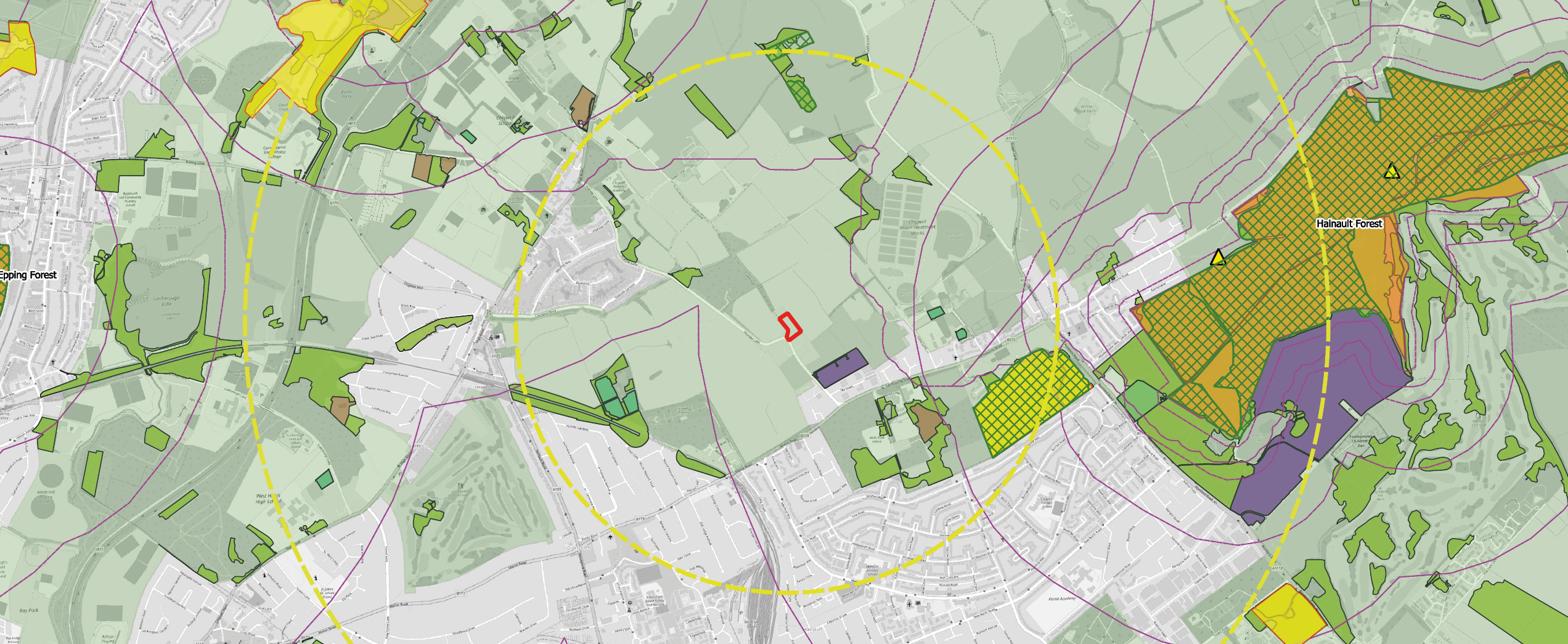
The missing piece
On the surface, landscape has been given more responsibility.
But a subtle change in language threatens its protection. The final NPPF does
not reinstate the specific reference to ‘valued landscapes’, meaning
that much-loved but undesignated countryside has lost an important policy hook.
Landscape doesn't magically become important when somebody draws a National
Park boundary around it. The Framework does still recognise landscape
character and the environmental qualities of land, but the loss of
"valued landscapes" matters because it makes the argument for
protection of undesignated landscapes less straightforward. The Landscape Institute also wanted the stronger
wording of "great weight" restored for the conservation of
National Parks and National Landscapes. The final Framework retains "substantial
weight" instead.
Step Forward or Mess?
The new NPPF may arguably be a step forward conceptually -
giving us more tools to plan for landscape-led development and a much broader
vocabulary for demonstrating its value - it doesn’t necessarily ensure that
those tools will be used to determine where development goes and how it should grow.
If you're going to define transport connectivity as a reason
to intensify development, why not define thegreen infrastructure needed to
make that intensification successful? If you're going to increase density,
where are the trees, the shade, the public spaces, the ecological networks and
the water infrastructure that make that density work? And if we're serious
about climate resilience, why should SuDS be something that happens after the masterplan rather than helping to shape it?
Development should not simply be landscape enabled but
landscape-led.
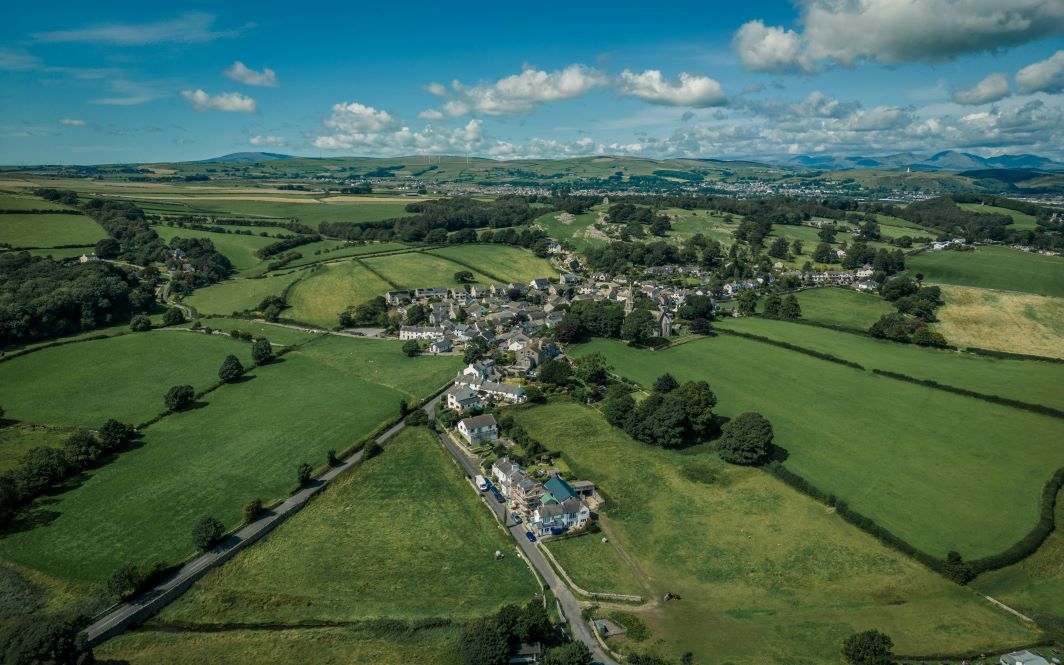
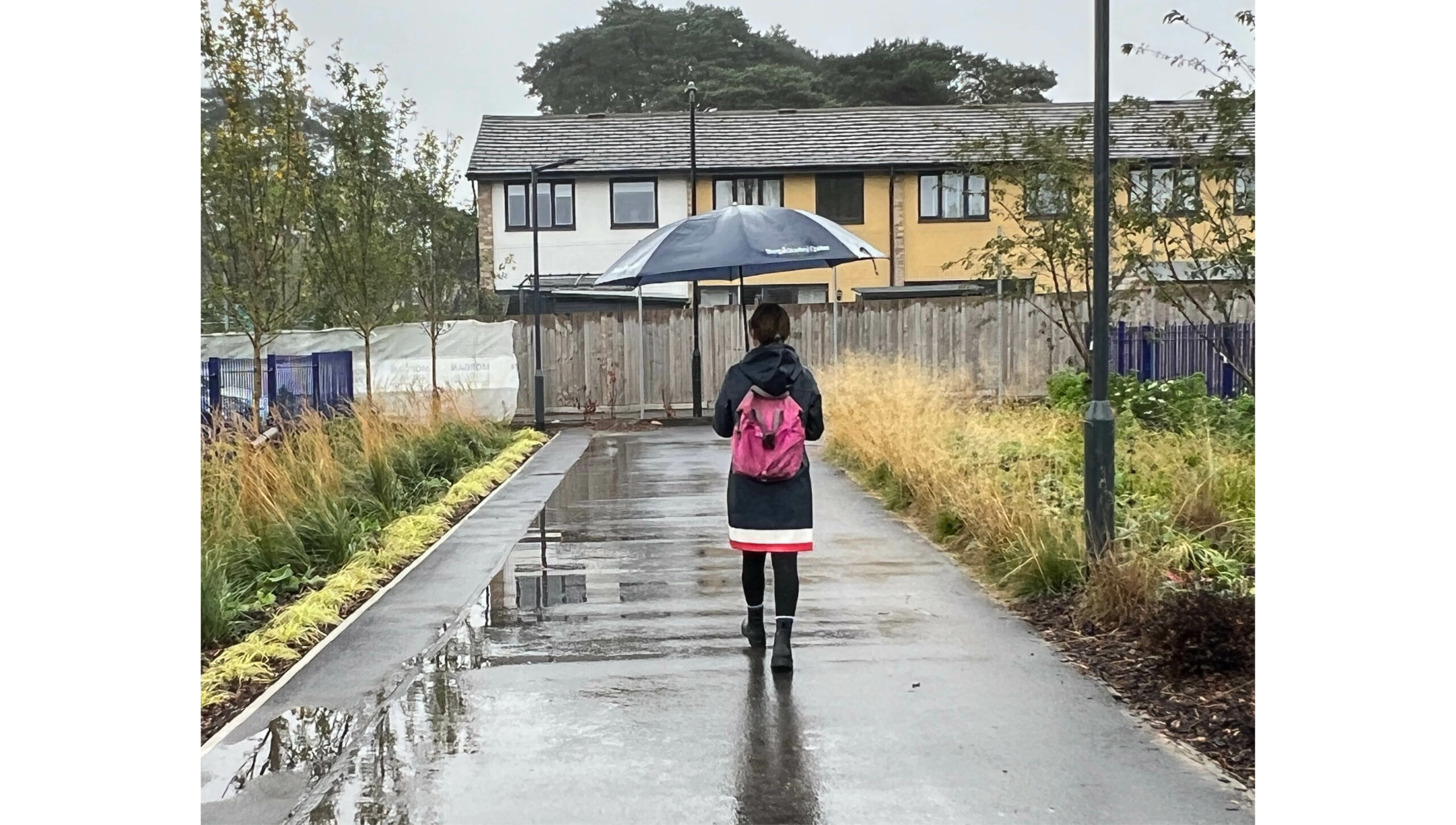
Image Credit: Jonny Gios Unsplash
Taken individually, many of these
changes look positive for landscape. Taken together, however, they reveal a
more complicated picture. The new NPPF gives landscape architects more opportunities to shape development through green infrastructure, nature recovery,
trees, SuDS and design. At the same time, the stronger presumption in favour of
development - particularly around well-connected stations and on some Green
Belt land - creates greater pressure on the landscapes in which that
development takes place.
The opportunity is considerable.
But so is the challenge. The question, therefore, is not simply whether the new
NPPF is good or bad for landscape. It is whether landscape is being given a
genuine role in deciding how and where England grows, or whether it is
increasingly being asked to make growth work after the fundamental development
decisions have already been made.
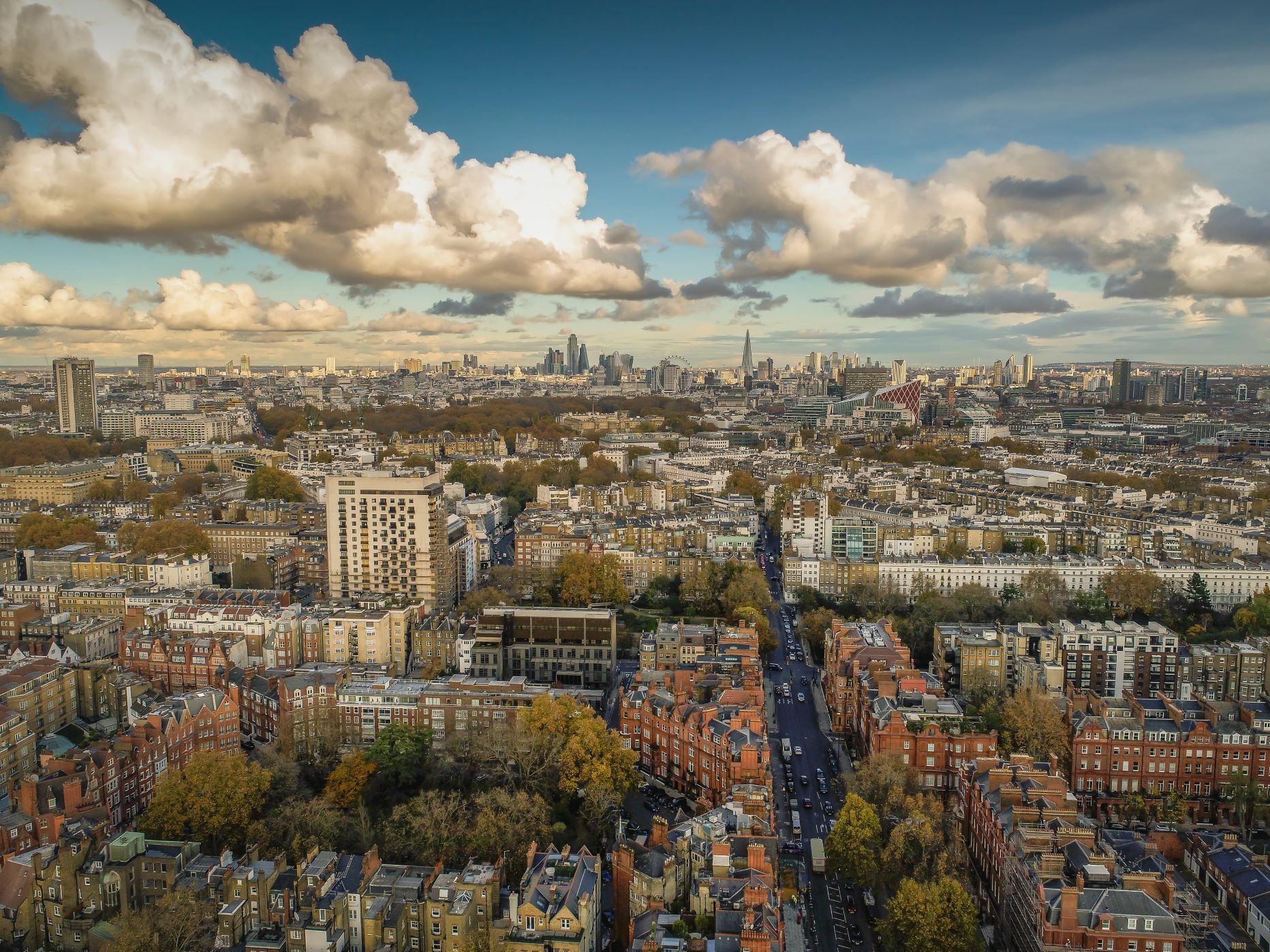
Image Credit: Wirestock
Image Credit: Jonny Gios Unsplash